
1 June 2026 · 4 min read
Credit Scores and Debt Management: A Beginner’s Guide for Nigerians
Introduction
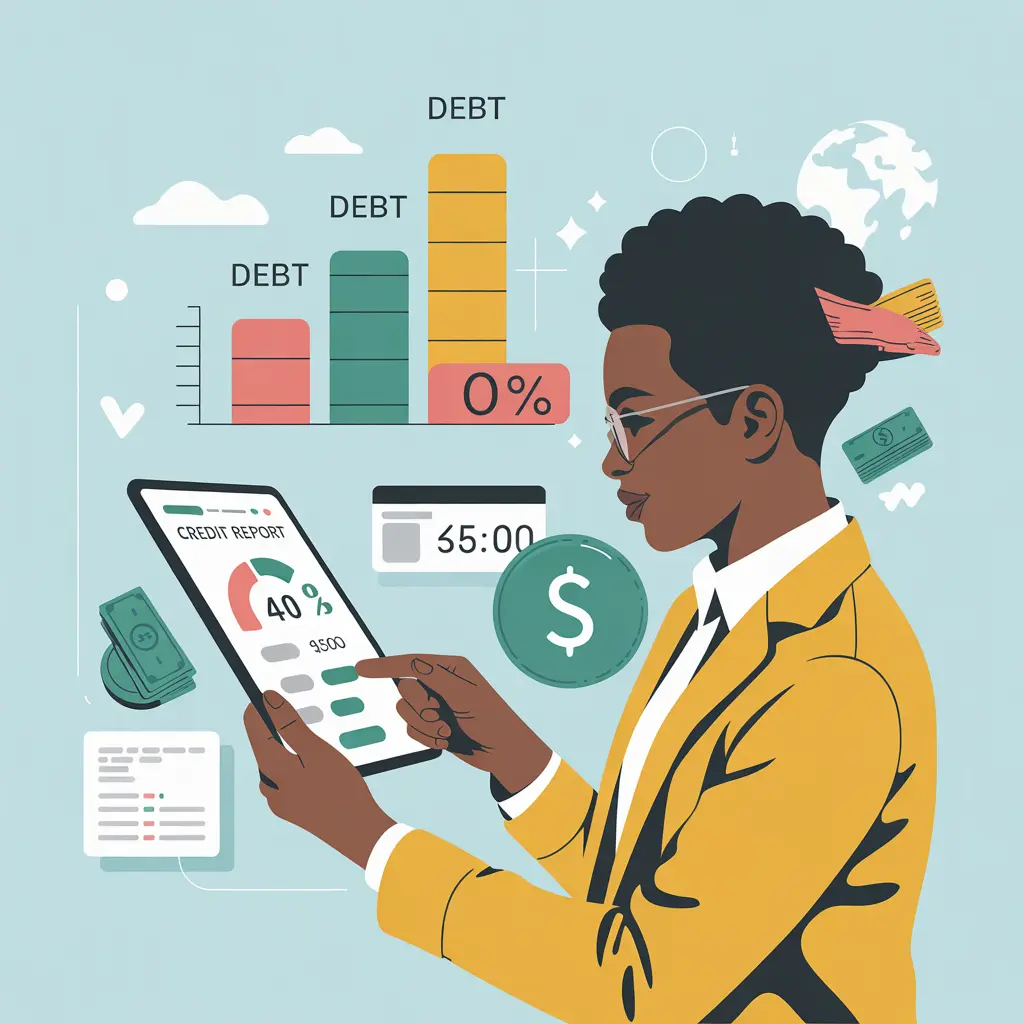
The idea of credit scores and debt management is an abstract subject for many Nigerians. Loans and credit cards exist, but understanding how they affect borrowing power or how debt can work for you instead of against you is often unclear.
In 2026, it is important to manage debt wisely because Nigeria’s financial system is becoming more digital, and lenders are relying heavily on credit data. This guide breaks it down for beginners, with practical tips and examples tailored to the Nigerian context.
What Is a Credit Score?
A credit score is a number that reflects your creditworthiness and how likely you are to repay borrowed money on time. Lenders use this score to decide:
Whether to approve your loan or credit card application
What interest rate to charge you
How much credit to extend
In Nigeria, credit bureaus such as CRC Credit Bureau, CreditRegistry NG, and FirstCentral Credit Bureau collect your financial data from banks, microfinance institutions, and other lenders to calculate your score.
Why Your Credit Score Matters
A high score means better access to loans and lower interest rates
A low score can limit your borrowing options or increase costs
Many financial platforms now use credit scores for digital lending approvals
Factors That Affect Your Credit Score
Your credit score depends on many factors:
Payment History – Timely payments on loans, credit cards, and utility bills
Credit Utilization – How much of your available credit you use (lower is better)
Length of Credit History – How long you’ve been using credit
Credit Mix – Having different types of credit (loan, mortgage, credit card)
New Credit Applications – Frequent loan applications can temporarily lower your score
In Nigeria, late payments or defaults are the most common reason for a poor credit score. Even small, repeated delays can affect your profile.
Debt Management Basics
Debt is not inherently bad. When it is managed well, it can be a tool for building wealth, from starting a business to investing in assets, but when mismanaged, it can lead to stress, high interest payments, and poor credit ratings.
The key principles of debt management are:
Know How Much You Owe: Keep a record of all your debts, interest rates, and payment schedules.
Prioritize High-Interest Debt: Pay off expensive debts like credit cards or short-term digital loans first.
Avoid Over-Borrowing: Only take on debt you can realistically repay.
Pay on Time, Every Time: Timely repayment is the single biggest factor for a healthy credit score.
Use Debt Strategically: Do not borrow for lifestyle inflation; rather, borrow for investments or income-generating purposes.
Tips for Improving Your Credit Score in Nigeria
Check Your Credit Report Regularly – You’re entitled to a free report from Nigerian credit bureaus once a year.
Set Up Automatic Payments – Avoid missed payments by automating loan or card payments.
Reduce Outstanding Balances – Keep utilization below 30% of available credit.
Diversify Credit Responsibly – A mix of credit types can improve your score if managed properly.
Limit Loan Applications – Too many inquiries signal risk to lenders.
Over time, these habits not only boost your credit score but also reduce borrowing costs and open access to better financial products.
Debt Management Strategies for Beginners
1. The Snowball Method
Focus on paying off your smallest debt first
Once paid, move to the next smallest
Builds momentum and psychological wins
2. The Avalanche Method
Pay off debts with the highest interest rate first
Saves money on interest over time
Both strategies work; just choose one that fits your discipline style.
3. Budgeting
Budgeting ensures that you can pay debts without sacrificing essential living costs. Track income, expenses, and debt obligations monthly.
4. Emergency Fund
An emergency fund prevents you from taking on new high-interest debt in case of unexpected expenses.
Why This Matters in 2026 in Nigeria
Digital Lending Growth: Platforms like Carbon, Renmoney, and FairMoney increasingly report to credit bureaus, affecting your score.
Loan Access: A good credit score makes it easier to access personal loans, mortgages, and business capital.
Lower Interest Rates: Banks reward good credit behavior with cheaper financing.
Financial Independence: Effective debt management frees cash flow for investments and wealth-building.
Debt Mistakes Nigerians Often Make
Borrowing above capacity for luxury items
Missing repayments on microloans or digital lenders
Ignoring credit reports until applying for a major loan
Using payday loans as a regular income supplement
Accumulating multiple small debts without prioritizing repayment
Avoiding these mistakes is crucial to maintaining a healthy credit profile and sustainable finances.
Building a Beginner-Friendly Debt Management Plan
List all debts: Include banks, digital lenders, and family/friends
Rank by interest: Pay high-interest loans first
Allocate monthly budget: Dedicate a percentage of income to repayment
Automate payments: Reduce risk of missed deadlines
Track progress: Monitor how balances reduce, and your credit score improves
Consistency is the key here. Small, steady repayments are more effective than sporadic large payments.
Order your Ebook here (5 Investments you can start with 10,000): https://selar.co/f54299
Book a session with me to set up your finances the right way: https://selar.co/1b8204
Get your Complete Budget & Money Tracker here: https://selar.com/3h70r3
Join the VIP Community and get expert guidance: https://www.financewithanne.com/legacy-builders-network
Conclusion
Your credit score and debt management skills are powerful tools for financial growth in Nigeria. Although debt can be intimidating, but using it strategically and understanding your score allows you to:
Access capital when needed
Secure better interest rates
Avoid financial stress
Build wealth over time
In 2026, Nigerian investors and borrowers who master these fundamentals will be better positioned to leverage loans for business, investment, and personal financial growth.