
INTRODUCTION
For the past two years, budgeting in Nigeria is like trying to hit a moving target blindfolded. Prices were rising so fast — at one point above 30% annually — that a budget you made in January was barely recognisable by March. Groceries, fuel, school fees, rent, airtime, everything kept climbing, and the naira in your pocket kept buying less.
That season is not completely over, but the tide is beginning to turn. Nigeria’s headline inflation has dropped to approximately 15% — a significant fall from its painful recent highs. For the average household, this is meaningful news. It does not mean prices are falling — inflation at 15% still means things are getting more expensive. But they are getting more expensive at a slower rate. And for your budget, that difference matters enormously.
This is your signal to sit down and rebuild your financial plan. Here is how.
What Falling Inflation Actually Means for your Wallet
Many people hear “inflation is down” and assume prices have dropped. They have not. What has changed is the speed at which prices are rising. Think of it like this: if your grocery bill was increasing by ₦5,000 every month before, now it might be increasing by ₦2,000 every month. You are still spending more — but the rate of pain has slowed.
This matters for your budget in three important ways. First, your income now has slightly more purchasing power than it did six months ago. Second, interest rates on loans and credit — which rose sharply when inflation was high — may begin to ease, making it cheaper to borrow. Third, your savings now lose value more slowly, which means locking money away in fixed deposits and money market funds becomes more attractive.
Step 1: Audit Your Current Budget
Before adjusting anything, you need to know where you actually stand. Pull out your last three months of bank statements or mobile banking transaction history and categorise every expense. Group them into essentials (rent, food, transport, utilities, school fees, health), lifestyle (subscriptions, dining out, data, clothing), debt obligations, and savings or investments.
Most people who do this exercise for the first time are surprised — often shocked — by how much is going to lifestyle spending that does not feel intentional. Streaming services you forgot to cancel. Food delivery charges three times a week. Airtime top-ups that add up to ₦15,000 a month without a single deliberate purchase.
This audit is not about guilt. It is about information. You cannot adjust what you cannot see.
Step 2: Renegotiate Your Fixed Expenses
With inflation easing and economic conditions stabilising, you now have more leverage to push back on certain costs. Contact your landlord before your next renewal and negotiate — many landlords are more flexible than they appear, especially in a stabilising economy where finding new tenants is also harder for them. If you have a fixed deposit maturing soon, shop around before rolling it over — rates are shifting and your current bank may not be offering the best deal anymore.
Review your internet and phone plans. Providers have been quietly adding better value packages. A five-minute call to your provider could save you ₦3,000–₦5,000 monthly.
Step 3: Redirect the Savings into a Clear Goal
Every naira you save through renegotiation or expense-cutting should have a destination before you cut it. Freed-up money without a plan disappears into everyday spending within weeks — this is one of the most well-documented patterns in personal finance.
Decide in advance: is the extra money going into an emergency fund, a savings account, an investment, or debt repayment? Write it down. Set up an automatic transfer on the day you receive your salary so the decision is never left to willpower.
Invest in a High-Yield Savings Account (don’t settle for 3% banks give you when you can get 20% on your savings): www.app.optimus.ng/register?ref=4de524
Earn over 20% with Stanbic IBTC Money Market Funds: https://www.stanbicibtcfundsmanagement.com/invest-now-x8p45e48
Step 4: Protect Your Budget Against Future Inflation Spikes
Inflation dropping to 15% is good news, but Nigeria’s inflation history should make every household cautious. Rates have spiked sharply before and could do so again with the right combination of fuel price changes, currency pressures, or food supply disruptions.
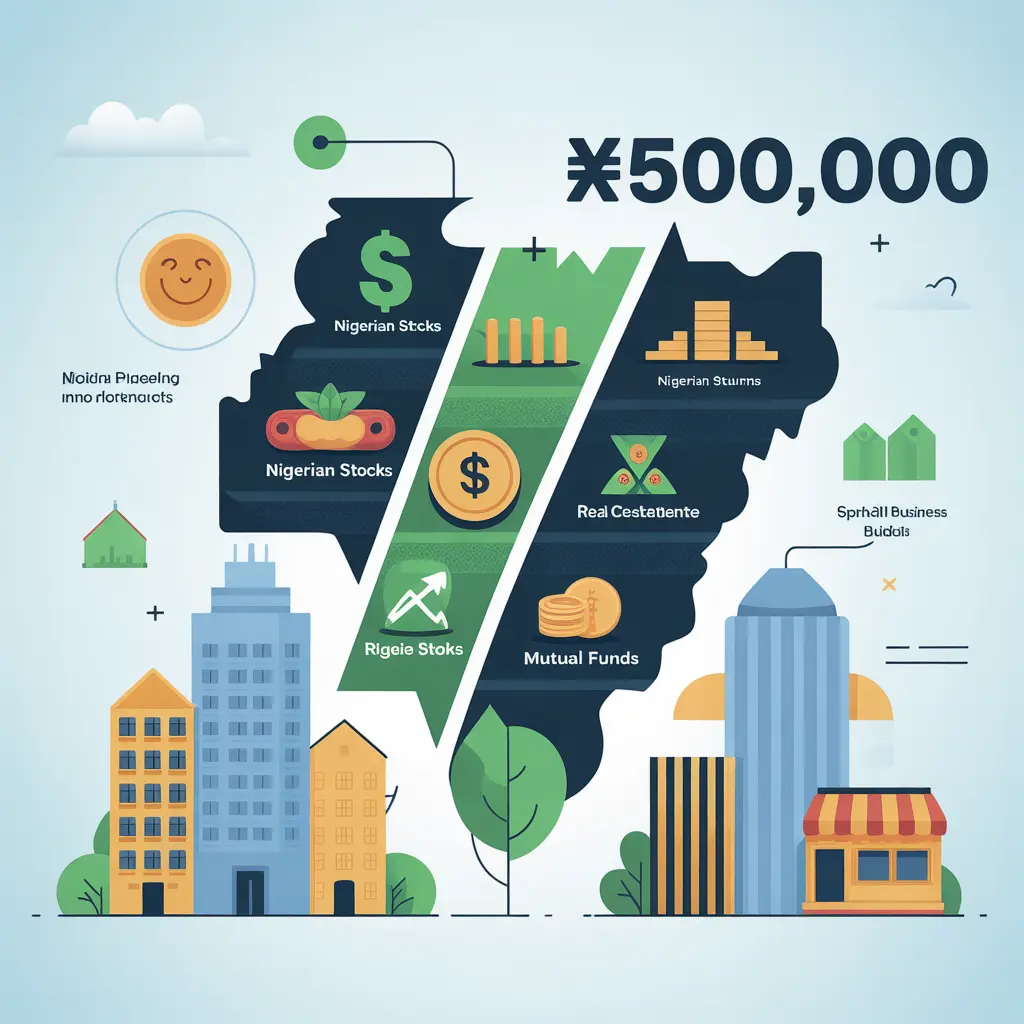
The best protection against future inflation is holding assets that grow in value faster than inflation — which means having a meaningful portion of your savings in investments rather than cash. Even a modest monthly contribution to a money market fund, mutual fund, or NGX-listed stock provides a buffer that a standard savings account simply cannot.
Conclusion
Falling inflation is an opportunity — but only for people who act on it deliberately. Use this window to audit your spending, cut what is wasteful, renegotiate what is fixed, and redirect the difference into something that builds your future. The Nigerians who come out ahead financially are not always the ones who earn the most. They are the ones who respond fastest when conditions shift in their favour.
Invest in Nigerian and Foreign shares to enjoy passive income here: https://app.investbamboo.com/invite/anne162508
JOIN MY FREE TELEGRAM COMMUNITY (be the first to get informed) https://t.me/+SNSQzX94_Gk1M2M0