Introduction
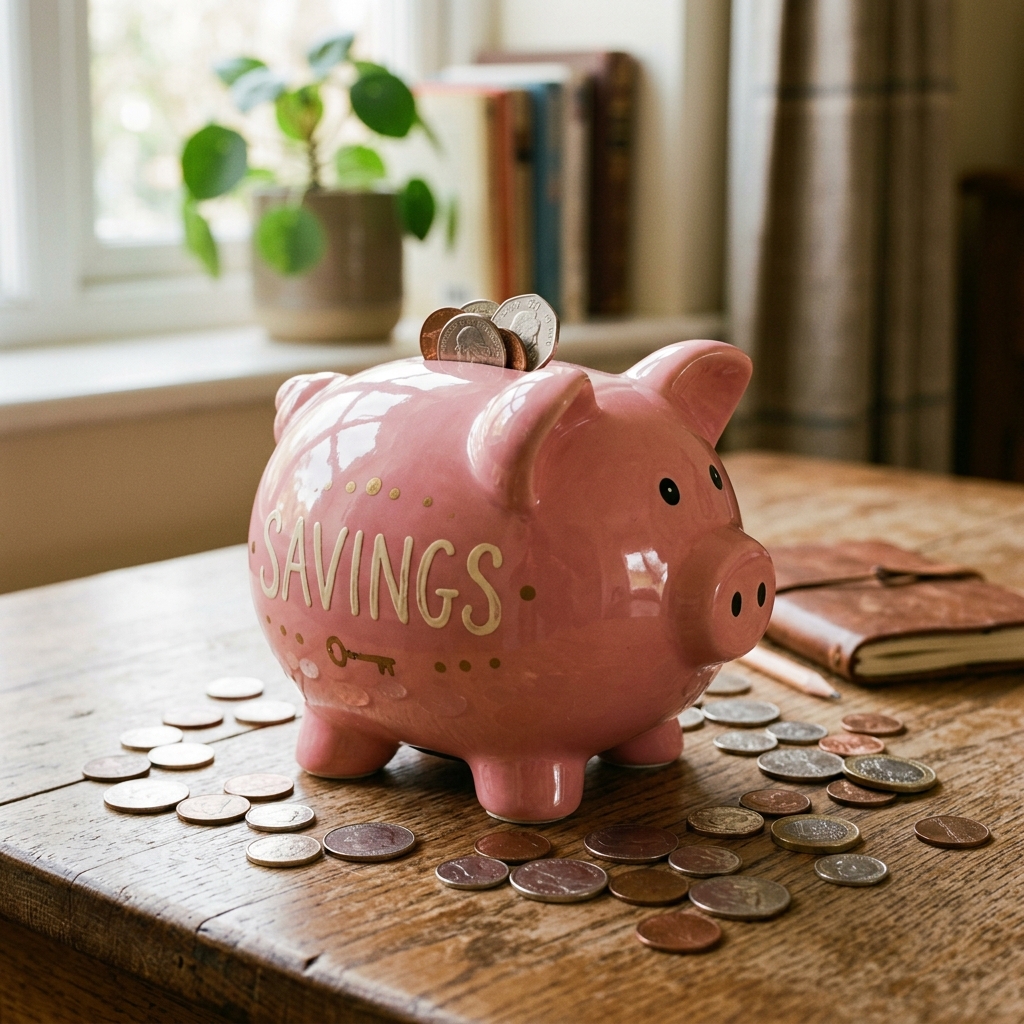
Saving money consistently can be challenging, especially when the rewards feel distant or progress is slow. Many people start saving enthusiastically, only to lose motivation along the way. Staying motivated to save is just as important as knowing how to save effectively.
The key to motivation lies in understanding your goals, tracking progress, and creating a system that makes saving rewarding and sustainable. This article explains how to stay motivated to save money, even when life gets busy or expenses increase.
Related posts to check out:
How to Save Money Without Feeling Deprived and Saving Mistakes to Avoid
Set Clear and Achievable Goals
One of the most important ways to stay motivated is to define your savings goals. Instead of saving aimlessly, identify both short-term and long-term objectives. Short-term goals may be saving for a vacation, a gadget, or an emergency fund. Long-term goals could be buying a home, starting a business, or investing for retirement.
Clear goals give your savings a purpose. When you know what you are working toward, every contribution becomes meaningful, and progress is worth it. Achievable goals prevent frustration and help maintain consistency.
Break Goals Into Smaller Milestones
Large financial goals can be overwhelming, which often leads to demotivation. Breaking goals into smaller, manageable milestones allows you to celebrate progress along the way.
For example, if your goal is to save ₦300,000 for an emergency fund, start by saving ₦10,000 or ₦20,000 at a time. Each milestone reached builds confidence, reinforces positive behavior, and makes saving feel attainable.
Track Your Progress
Track your savings to stay motivated. Regularly review your account balances, monitor your contributions, and note your achievements to help you see the results of your efforts.
Progress tracking provides a visual reminder of your accomplishments. It also encourages you to maintain good habits, adjust strategies if needed, and stay focused on your long-term objectives. Tools like spreadsheets, apps, or even a simple savings journal can be effective.
High-Yield Savings Account (don’t settle for 3% banks give you when you can get 20% on your savings): www.app.optimus.ng/register?ref=4de524
Earn over 20% with Stanbic IBTC Money Market Funds: https://www.stanbicibtcfundsmanagement.com/invest-now-x8p45e48
Invest in Nigerian and Foreign shares to enjoy passive income here: https://app.investbamboo.com/invite/anne162508
JOIN MY FREE TELEGRAM COMMUNITY (be the first to get informed) https://t.me/+SNSQzX94_Gk1M2M0
Automate Your Savings
Automation removes the burden of decision-making and ensures consistent progress. Set up automatic transfers from your checking account to a dedicated savings account, and you “pay yourself first” without thinking about it.
Automation reduces the temptation to spend money set aside for savings and removes procrastination from the process. Consistency is one of the most important factors in long-term financial success.
Reward Yourself Along the Way
Saving doesn’t have to be all about sacrifice. Rewarding yourself when you reach a milestone reinforces motivation and makes the process enjoyable.
For example, after reaching a savings target for the month, you can treat yourself to a small reward, like a favorite meal, a low-cost outing, or a personal treat. Rewards give positive reinforcement, and make it easier to maintain the habit over time.
Visualize the Benefits of Saving
Motivation often increases when you clearly visualize the benefits of your savings. Imagine the financial freedom, security, and opportunities your savings can provide.
Visualization creates an emotional connection to your goals, making it easier to stay committed. Whether it’s picturing your emergency fund as a safety net or envisioning a dream purchase, this mental exercise strengthens your determination.
Make Saving Fun
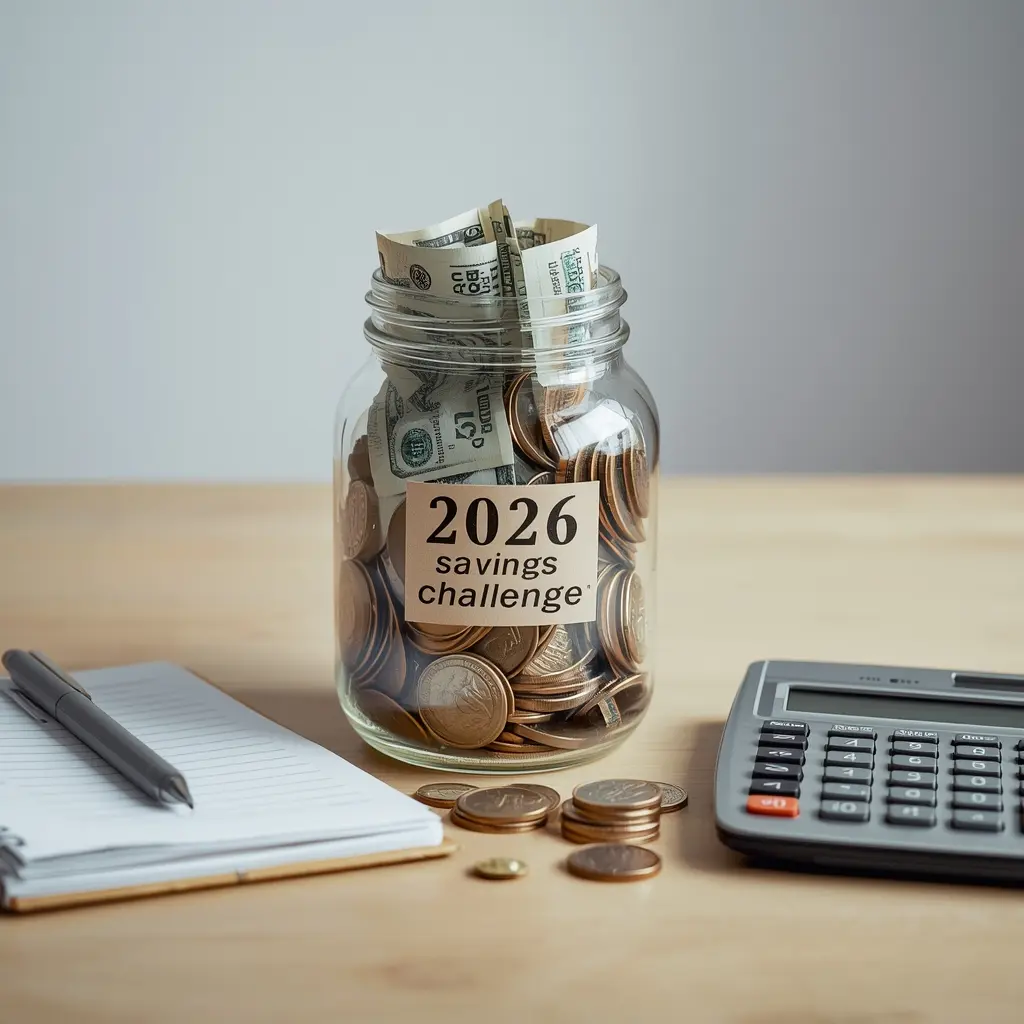
Incorporating creativity or challenges into your saving routine. Try saving challenges, gamifying your goals, or using themed jars for different objectives.
Small, fun activities make saving feel less like a chore and more like a rewarding habit. Over time, these enjoyable methods can help you maintain consistency and achieve financial success.
Surround Yourself With Positive Financial Influences
Your environment impacts your financial habits. Surround yourself with people, resources, or communities that encourage responsible money management.
This could include following finance blogs, joining savings groups, or discussing money goals with supportive friends. Positive reinforcement from your surroundings increases motivation and accountability.
Learn From Setbacks Without Losing Momentum
Setbacks are a normal part of saving. Unexpected expenses or missed contributions can happen, but they don’t mean that you have failed. The key is to acknowledge setbacks, learn from them, and resume saving immediately.
Viewing challenges as learning experiences rather than failures keeps your motivation intact and helps you stay focused on long-term goals.
Conclusion
Staying motivated to save money is about creating a system that combines clarity, consistency, and rewards. By setting achievable goals, tracking progress, automating contributions, and celebrating milestones, saving becomes sustainable and even enjoyable.
Remember, motivation isn’t constant—it ebbs and flows. The habits and systems you put in place will carry you through periods of low motivation and ensure consistent progress toward financial freedom.